


-

Add: HeBei ShengShi HongBang Cellulose Technology CO.,LTD.
-

Email
13180486930@163.com -

CONTACT US
+86 13180486930



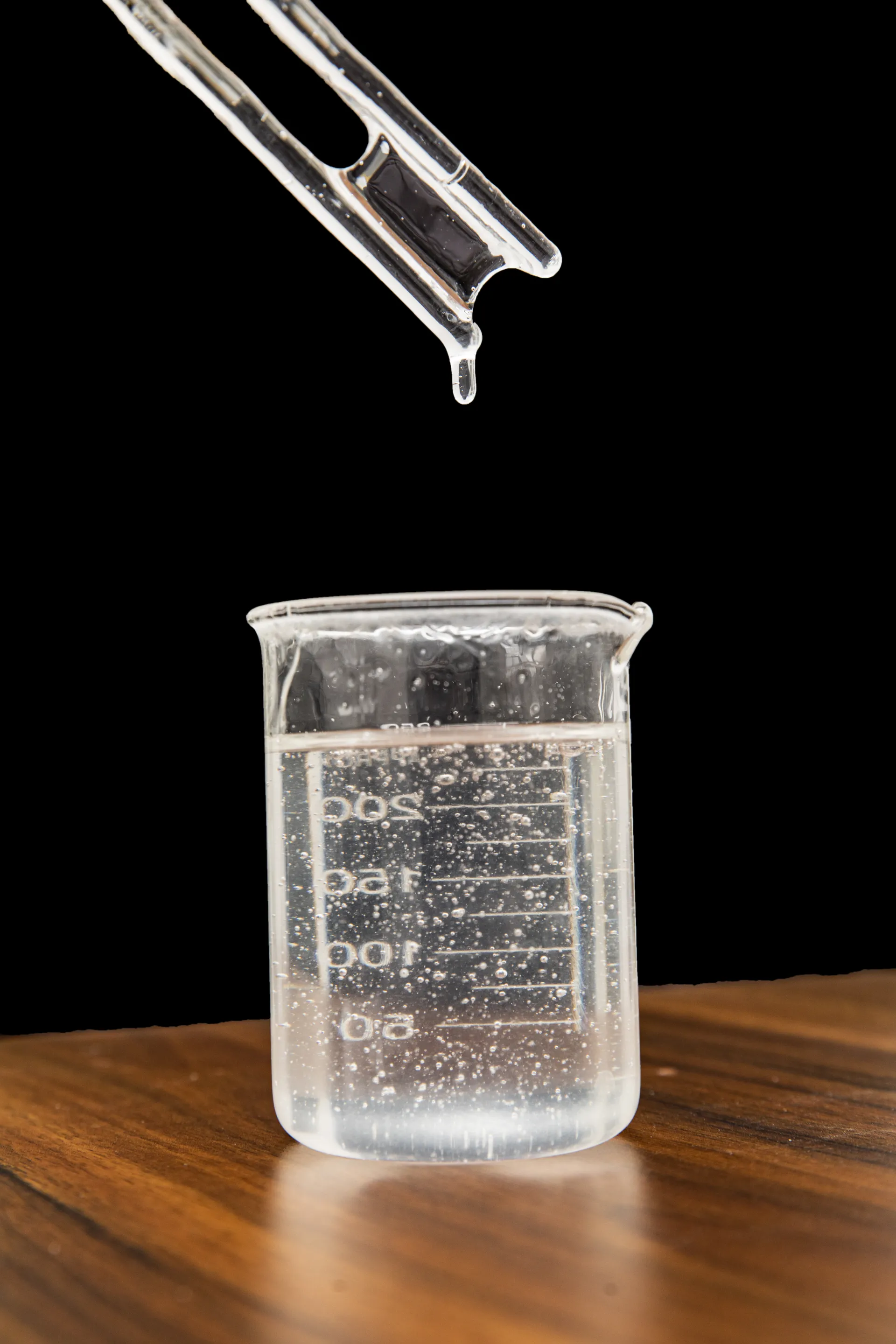


Hydroxypropyl methylcellulose (HPMC) is widely recognized as a versatile compound that finds its application across various industries. Preparing HPMC solutions is paramount for ensuring its effective performance, whether in pharmaceuticals, food processing, or construction. This article sheds light on the expertise required, authoritative guidelines, and trustworthy methodologies associated with HPMC solution preparation. Experience in HPMC solution preparation reveals that the process is both an art and a science, demanding precision and knowledge. Users often face challenges such as insolubility, clumping, or achieving the desired viscosity. These challenges can be mitigated by following specific preparation steps . Here, I will share a streamlined process derived from years of hands-on experience 1. Selection of Grade The choice of HPMC grade significantly influences the end properties of the solution. Different grades offer varying viscosities and gel temperatures, making it crucial to consult technical specification sheets provided by manufacturers to select the right grade for your application needs. 2. Water Quality The quality of solvent, usually water, plays a critical role. Using deionized or distilled water enhances solubility and prevents any potential reactions from contaminants. Experience confirms that temperature-controlled environments boost the solubility rate and uniformity of HPMC throughout the solution. 3. Dispersion Technique Accurate dispersion ensures the complete hydration of HPMC without forming clumps. Begin by sprinkling HPMC slowly into the solvent while stirring continuously. An authoritative tip involves using mechanical stirrers to maintain a consistent dispersal, achieving a lump-free solution efficiently. 4. Temperature Control The temperature of the solvent should be monitored closely. HPMC tends to dissolve better in cold water. By initially employing cold water to disperse the HPMC and later heating it up if the application demands a higher temperature, one can secure optimal results. hpmc solution preparation 5. Hydration Time Time is a crucial factor in preparing an HPMC solution. Allow the solution to hydrate fully, which might take several hours depending on the grade and environmental conditions. Patience is key as incomplete hydration could result in suboptimal solution properties. 6. pH Adjustment For applications requiring specific pH levels, adjust the pH of the solution after full hydration. Different grades of HPMC might react differently to pH adjustments, so it's advisable to conduct small-scale tests before full-scale operations. From a professional standpoint, the expertise of troubleshooting common issues cannot be overstated. In some cases, adding a non-ionic surfactant can assist in reducing surface tension and improving solubility. Furthermore, employing an industrial homogenizer can yield a finer, more consistent HPMC solution in high-demand applications. To establish authority in the preparation of HPMC solutions, it’s paramount to adhere to standardized practices as endorsed by industry leaders. Following guidelines from entities like the United States Pharmacopeia (USP) can ensure compliance and efficacy in pharmaceutical applications. Maintaining a record of every batch's preparation details ensures traceability and identifies areas for future optimization. Trustworthiness is built through consistency and transparency. Regularly testing and documenting the rheological properties of prepared solutions guarantees batch-to-batch uniformity. For enhanced credibility, consider third-party verification from accredited laboratories to validate the effectiveness and safety of the final solution. In conclusion, HPMC solution preparation demands a blend of practical experience, specialized knowledge, and adherence to authoritative protocols. By following these best practices, one can ensure the creation of high-quality HPMC solutions suitable for a variety of applications, ultimately fostering trust and reliability in the end product.
- 40000tons

Production
- 20+years

Experience
- 5000+㎡

Acreage

-
In the rapidly evolving world of pharmaceutical and health supplement manufacturing, the demand for high-quality, reliable capsule encasements is growing exponentially. Among the top choices are Hydroxypropyl Methylcellulose (HPMC) capsules, renowned for their plant-based origin and compatibility with a diverse range of formulations. Choosing the right HPMC capsule supplier is crucial for maintaining product integrity, ensuring customer satisfaction, and staying ahead in an increasingly competitive market. One of the critical considerations when selecting an HPMC capsule supplier is the supplier's expertise and experience . Suppliers with extensive industry experience are more likely to provide consistent product quality, as they understand the nuances and complexities of HPMC production and distribution. These experts have honed their processes to deliver capsules that meet stringent industry standards, ensuring that the end products are safe and effective for consumer use. Furthermore, experienced suppliers often offer insights and advice on optimizing formulations, drawing on years of specialized knowledge to support product development and innovation. The professional relationships built over time with reputable HPMC capsule suppliers can significantly impact the product's efficacy and marketability. Trust in a supplier is rooted in their authoritative standing in the industry. Leading suppliers often hold certifications from recognized standards organizations, such as ISO or GMP, offering assurance that their production processes are compliant with international quality regulations. This authority ensures that any batch of capsules sourced will meet necessary pharmacopeia requirements, a non-negotiable aspect for any manufacturing entity aiming to sell internationally. In terms of product trustworthiness, choosing a supplier with a transparent supply chain process can further enhance a brand's reputation. Today’s consumers are increasingly informed and discerning, often seeking background details on the sourcing and manufacturing of products they consume. By partnering with a supplier that prioritizes transparency and ethical practices, companies can add an extra layer of assurance for their end consumers. This might include a full disclosure of the raw materials used, adherence to sustainable practices, or a commitment to cruelty-free testing methods. hpmc capsule supplier Moreover, innovation in the realm of HPMC capsules demands suppliers that are committed to continuous research and development. As newer formulations emerge, particularly in the nutraceutical industry, the need for specialized capsules that support delayed-release or targeted-release functionalities grows. Top-tier suppliers not only keep abreast of the latest scientific advancements but also actively contribute to shaping future trends. Their R&D teams work on creating capsule variations that enhance stability, taste-masking, and even bioavailability, thereby contributing to enhanced user experience and satisfaction. To judge a supplier's capability genuinely, a prospective client should examine case studies or testimonials from other companies in similar niches. Such information can highlight the supplier’s ability to handle unique challenges or large-scale production demands and can offer visibility into their customer service and after-sale support dynamics. Relationships built on successful collaborations often lead to long-term partnerships, benefiting from improved efficiencies and aligned business objectives. In summation, selecting an HPMC capsule supplier requires careful consideration of their experience, expertise, authoritative standing, and trustworthiness. By prioritizing these core attributes, businesses can ensure they are choosing a partner capable of delivering high-quality, reliable products that meet exacting industry and consumer standards. Through this partnership, companies can extend their market reach, enhance consumer trust, and foster continual growth in the competitive landscape of health and wellness products.
-

The Cost of Polypropylene Fiber An Overview Polypropylene fiber, derived from the polymerization of propylene monomers, is a synthetic material that has been gaining traction in various industries due to its unique properties and cost-effectiveness. As the demand for durable and versatile materials rises, so does interest in understanding the cost implications associated with polypropylene fiber. This article aims to explore the factors affecting the cost of polypropylene fiber, its applications, and its overall economic impact. Understanding Polypropylene Fiber Polypropylene is one of the most widely used plastics in the world. It is recognized for its lightweight nature, chemical resistance, moisture-wicking capabilities, and structural durability. These characteristics make it an excellent choice for a variety of applications, including textiles, automotive components, and packaging materials. The resulting fiber is soft, resistant to staining, and can be produced in a variety of colors, further enhancing its usability in consumer products. Factors Influencing the Cost 1. Raw Material Prices The primary factor determining the cost of polypropylene fiber is the price of propylene, the primary raw material used in its production. Fluctuations in oil prices significantly impact the cost of propylene, as it is derived from fossil fuels. As global oil prices rise or fall, so too does the cost of polypropylene fiber. 2. Production Technology The method of production also affects costs. Advances in manufacturing technologies can streamline production processes and reduce costs. For instance, the implementation of more efficient machinery or environmentally friendly production methods can yield lower operational costs, which may be passed on to consumers. 3. Supply and Demand Like any commodity, the cost of polypropylene fiber is subject to the laws of supply and demand. In periods of high demand—such as during the surge in production of protective equipment during the COVID-19 pandemic—prices may increase sharply. Conversely, surplus production or a decline in demand can lead to lower prices. costo de fibra de polipropileno 4. Geopolitical Factors Political stability in oil-producing regions can affect the supply and price of propylene. Trade tariffs, sanctions, or conflicts can disrupt supply chains, leading to increased material costs, which in turn influence the cost of polypropylene fiber. 5. Market Competition The competitiveness of the polypropylene market also plays a vital role. The entry of new suppliers can drive prices down, while monopolistic conditions can lead to higher prices. The global nature of the fiber market means that competition from manufacturers in different regions can also affect local pricing. Applications of Polypropylene Fiber The versatility of polypropylene fiber allows for its use in numerous applications. In the textile industry, it is common in the production of carpets, upholstery, and outdoor fabrics due to its resistance to moisture and mildew. The automotive sector utilizes polypropylene fiber for interior components, as it is lightweight and aids in fuel efficiency. Furthermore, polypropylene fibers are utilized in geotextiles for soil stabilization, erosion control, and drainage systems. Economic Impact The economic implications of polypropylene fiber production extend beyond its cost. It supports a range of industries, creating jobs and stimulating economic growth. As manufacturers adapt to changing market dynamics and consumer preferences, innovative uses for polypropylene fiber continue to emerge, driving further demand. In conclusion, the cost of polypropylene fiber is influenced by a variety of factors including raw material prices, production technology, supply and demand dynamics, geopolitical conditions, and market competition. Its diverse applications and economic implications make it a significant player in the manufacturing landscape. As industries continue to seek sustainable and efficient materials, understanding these cost dynamics will be crucial for businesses and consumers alike in making informed decisions. The future of polypropylene fiber is undoubtedly tied to evolving market conditions and technological advancements, promising ongoing relevance in a rapidly changing world.
advantages
-

200000 Viscosities
Excellent product
We can produce pure products up to 200,000 viscosities
-

40000 tons
High yield
We don’t stop production all year round, and the annual output can reach 40,000 tons
-

24 hours
Quality service
We provide 24-hours online reception service, welcome to consult at any time
———— Inquiry Form
Schedule A services
-
 different_grades_of_hpmc
Oct . 25, 2025
In the world of construction and renovation, the search for the perfect plaster retarder has led man -
 building_coating_adhesive_hpmc
Oct . 25, 2025
The gypsum retarder chemical is a crucial component in the world of plastering and construction. Gyp -
 supplier_ng_vae_powder
Oct . 25, 2025
Hydroxypropyl Methylcellulose (HPMC) is an essential polymer used across various industries due to i


